Age: 45
female
Carrie Alexandra Coon (born January 24, 1981) is an American actress. Known for her portrayals of complex characters on stage and screen, she has received a Critics' Choice Television Award, as well as nominations for three Primetime Emmy Awards and a Tony Award. On television, her breakout role was as Nora Durst in the drama series The Leftovers (2014–2017). Subsequently, she received her first nomination for Primetime Emmy Awards for Outstanding Lead Actress in a Limited Series or Movie for her role as Gloria Burgle in the third season of the black comedy crime anthology series Fargo (2017), her second for Outstanding Lead Actress in a Drama Series for playing Bertha Russell in the period drama series The Gilded Age (2022–present) and her third for Outstanding Supporting Actress in a Drama Series for her role as Laurie Duffy in the third season of the satirical dramedy anthology series The White Lotus (2025). She made her film debut in Gone Girl (2014), with further roles in films such as The Post (2017), Widows (2018), The Nest (2020), Boston Strangler (2023), and His Three Daughters (2024). She has also portrayed characters in blockbuster films such as Proxima Midnight in Avengers: Infinity War(2018) and Callie Spengler in Ghostbusters: Afterlife (2021) and its sequel, Ghostbusters: Frozen Empire (2024). On stage, Coon made her Broadway debut as the naive wife Honey in the revival of Who's Afraid of Virginia Woolf? (2012), for which she was nominated for the Tony Award for Best Featured Actress in a Play. Description above from the Wikipedia article Carrie Coon, licensed under CC-BY-SA, full list of contributors on Wikipedia.
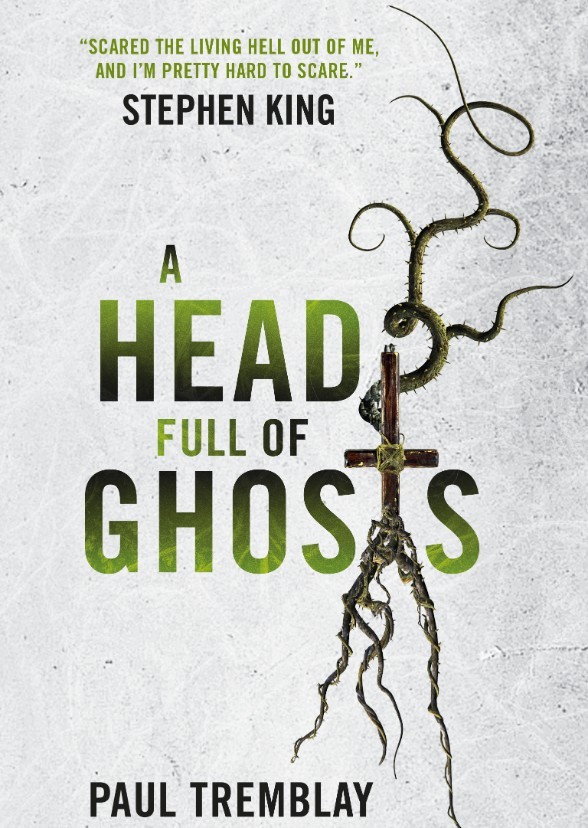
The lives of the Barretts, a normal suburban New England family, are torn apart when fourteen-year-old Marjorie begins to display signs of acute schizophrenia. To her parents’ despair, the doctors are unable to stop Marjorie’s descent into madness. As their stable home devolves into a house of horrors, they reluctantly turn to a local Catholic priest for help. Father Wanderly suggests an exorcism; he believes the vulnerable teenager is the victim of demonic possession. He also contacts a production company that is eager to document the Barretts’ plight. With John, Marjorie’s father, out of work for more than a year and the medical bills looming, the family agrees to be filmed, and soon find themselves the unwitting stars of The Possession, a hit reality television show. When events in the Barrett household explode in tragedy, the show and the shocking incidents it captures become the stuff of urban legend. Fifteen years later, a bestselling writer interviews Marjorie’s younger sister, Merry. As she recalls those long ago events that took place when she was just eight years old, secrets and painful memories that clash with what was broadcast on television begin to surface—and a mind-bending tale of psychological horror is unleashed, raising vexing questions about memory and reality, science and religion, and the very nature of evil.