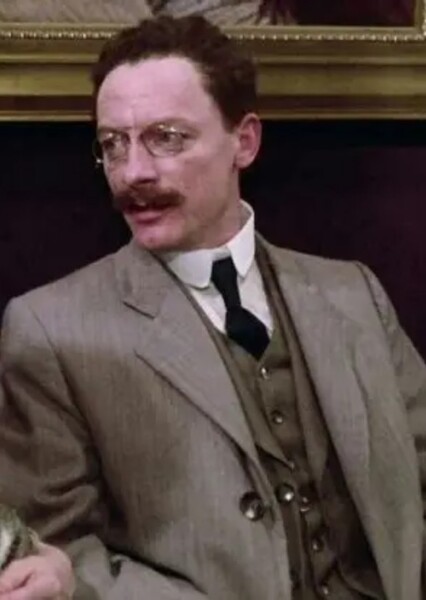
Died at 85
male
Otto Sander (German: [ˈɔtoː ˈzandɐ] ⓘ; June 30, 1941 – September 12, 2013) was a German film, theater, and voice actor. Sander grew up in Kassel, where he graduated in 1961 from the Friedrichgymnasium. After leaving school he spent his military service in 1961/62 with the Bundesmarine and left as reserve fenrik. Sander then studied theatre science, history of art and philosophy. In 1965 he made his acting debut at the Düsseldorfer chamber plays. After his first film work in the same year he abandoned his studies in 1967, and went to Munich to become a full-time actor. His career is closely connected with the Schaubühne theatre in Berlin under the direction of Peter Stein. From 1980 onwards Sander appeared on several of Berlin's theatre stages, among others at the Schillertheater in 1981, at the Freie Volksbühne in 1985 and in 1989 at the Komödie am Kurfürstendamm. More recently he starred in Hauptmann von Köpenick at the Schauspielhaus Bochum (2004). In 1990, he was a member of the Jury at the 40th Berlin International Film Festival. Among his best-known film roles are the angel Cassiel in Wings of Desire and its sequel Faraway, So Close! by Wim Wenders, and a shell-shocked U-boat commander, Kapitänleutnant Philipp Thomsen, in Wolfgang Petersen's Das Boot. Sander also appeared in The Tin Drum (1979) as a trumpeter and in Comedian Harmonists, a biopic about the musical group of the same name. He also played a professor in the movie The Promise about the division of Berlin by the wall. In 1999 he played a role in Rosa von Praunheim's movie The Einstein of Sex.
Otto Sander
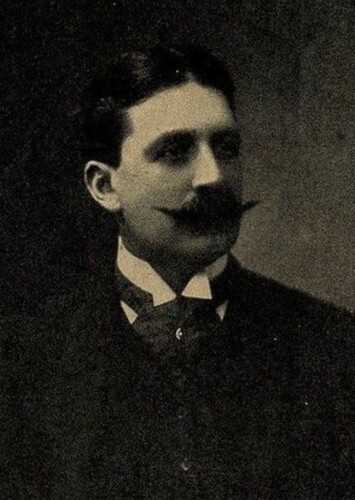
Clemens von Ketteler
for Clemens von Ketteler in 55 Days at Peking (1983)
Suggested by adrianpintado
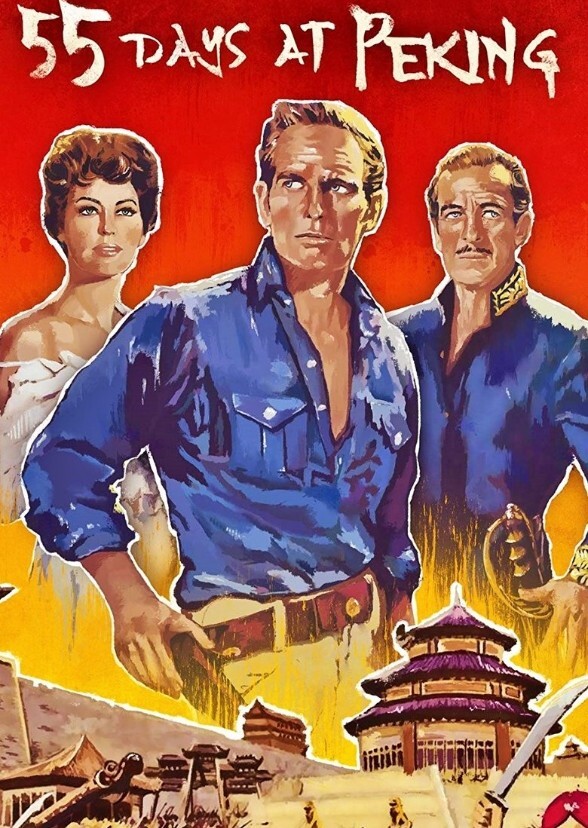
55 Days at Peking is a 1963 American epic historical war film dramatizing the siege of the foreign legations' compounds in Beijing (then still Peking, in English) during the Boxer Uprising, which took place in China in the summer of 1900. It was produced by Samuel Bronston for Allied Artists, with a screenplay by Philip Yordan and Bernard Gordon, and with uncredited contributions from Robert Hamer, Julian Halevy, and Ben Barzman. Noel Gerson wrote a screenplay novelization in 1963 under the pseudonym "Samuel Edwards".

