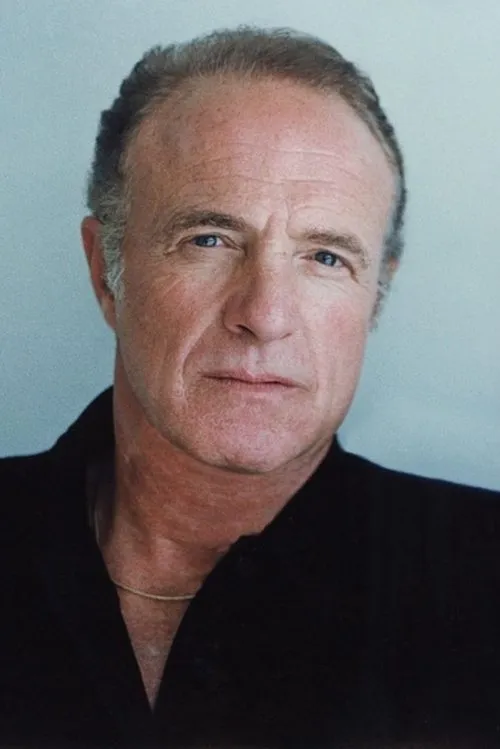
Age: 86
male
Ramón Antonio Gerardo Estévez (born August 3, 1940), known professionally as Martin Sheen, is an American actor. He first became known for his roles in the films The Subject Was Roses (1968) and Badlands (1973), and later achieved wide recognition for his leading role as Captain Benjamin Willard in Apocalypse Now (1979), as U.S. President Josiah Bartlet in the television series The West Wing (1999–2006), and as Robert Hanson in the Netflix television series Grace and Frankie (2015–2022). In film, Sheen has won the Best Actor award at the San Sebastián International Film Festival for his performance as Kit Carruthers in Badlands. Sheen's portrayal of Capt. Willard in Apocalypse Now earned a nomination for the BAFTA Award for Best Actor. Sheen has worked with a wide variety of film directors, including Richard Attenborough, Francis Ford Coppola, Terrence Malick, David Cronenberg, Mike Nichols, Martin Scorsese, Steven Spielberg, and Oliver Stone. Sheen received a star on the Hollywood Walk of Fame in 1989. In television, Sheen has won a Golden Globe and two Screen Actors Guild awards for playing the role of President Josiah Bartlet in The West Wing, and an Emmy for guest starring in the sitcom Murphy Brown. In 2012, he portrayed Uncle Ben in The Amazing Spider-Man directed by Marc Webb. Born and raised in the United States by a Spanish father and an Irish mother, he adopted the stage name Martin Sheen to help him gain acting parts. He is the father of four children, all of whom are actors. Sheen has directed one film, Cadence (1990), in which he appears alongside his sons Charlie and Ramón. He has narrated, produced, and directed documentary television, earning two Daytime Emmy awards in the 1980s, and has been active in liberal politics.
Martin Sheen

Oliver Baker
for Oliver Baker in 13 Reasons Why (80's Genderswap)
Suggested by chris83
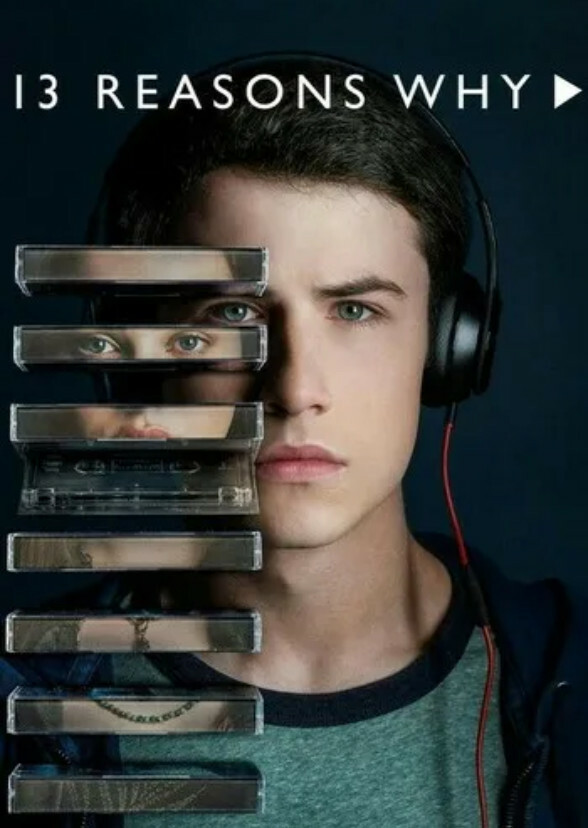
A high school student discovers a box of cassette tapes recorded by her classmate Harry, who recently took his own life. Each tape reveals a different person who played a role in his devastating decision. As she listens through the night, she becomes obsessed with uncovering the truth—navigating a maze of betrayal, bullying, and dark secrets hidden behind the polished facades of her small town. Set against neon-soaked hallways and the analog intimacy of cassette culture, the story unfolds through her eyes as she confronts former friends, crushes, and enemies. The mystery deepens with each tape, forcing her to question everything she thought she knew about her community. Themes of accountability, teenage isolation, and the irreversible consequences of cruelty pulse through this gripping drama, where one person's voice—even after death—demands to be heard and cannot be silenced.