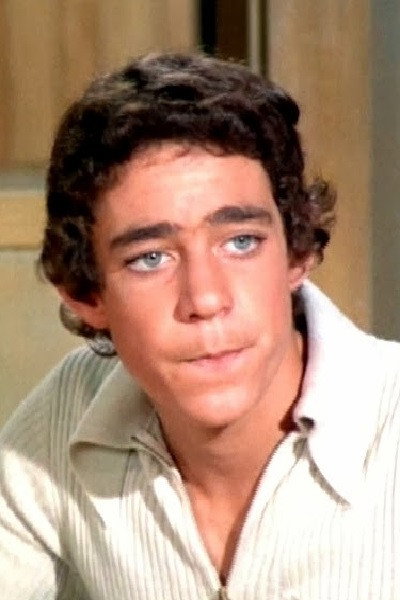
Age: 74
male
Thomas Steven “Tom” Wopat (born September 9, 1951, in Lodi, Wisconsin) is an American actor, singer, and performer whose career has spanned television, film, and the Broadway stage. He first rose to fame as Lucas K. “Luke” Duke on the hit action-comedy The Dukes of Hazzard, a role he played for seven seasons and that made him a familiar face in American pop culture. After Dukes, Wopat broadened his range, taking on both on-screen parts and acclaimed stage work. On television he had a recurring role on the sitcom Cybill and appeared in dramas like Longmire, as well as TV movies including Christmas Comes to Willow Creek. In film, he has had supporting roles in a variety of genres — from comic-book western Jonah Hex to Quentin Tarantino’s Django Unchained, one of his highest-rated screen appearances. Where Wopat perhaps made his greatest artistic impression is on the Broadway stage. He garnered a Tony Award nomination for his charismatic performance as Frank Butler in the 1999 revival of Annie Get Your Gun opposite Bernadette Peters, and earned a second Tony nomination for A Catered Affair in 2008. His stage résumé also includes acclaimed productions of Chicago, 42nd Street, Glengarry Glen Ross, Catch Me If You Can, and Sondheim on Sondheim, showcasing his versatility as both a leading man and an ensemble player. In addition to acting, Wopat has pursued a long music career, releasing numerous albums that range from country to jazz-infused standards, often highlighting his warm baritone voice.
Tom Wopat

Winston Williams
for Winston Williams in 13 Reasons Why (70s)
Suggested by chris83
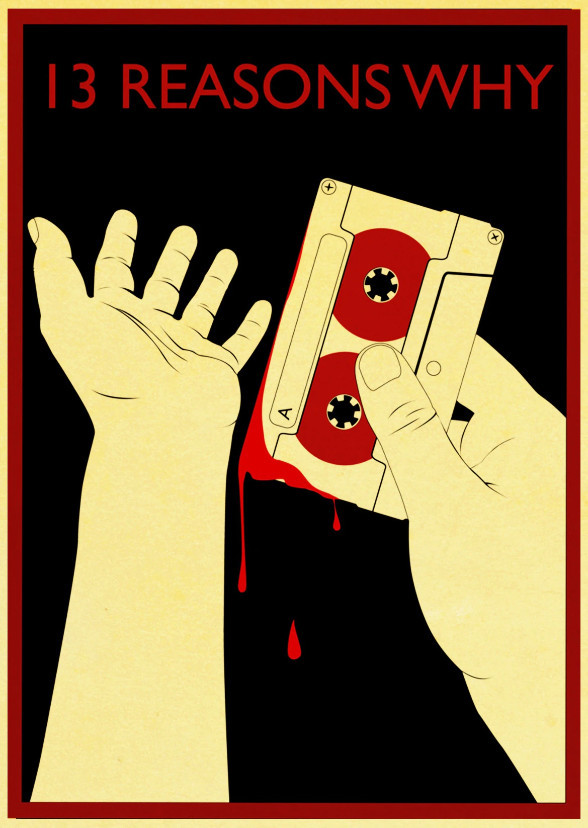
A haunting mystery unfolds when a high school student discovers a series of cassette tapes left behind by a classmate who took her own life. Each tape reveals a different person who played a role in her devastating decision, forcing a tight-knit group of teenagers to confront their cruelty, betrayal, and complicity. Set against the gritty backdrop of 1970s America—with its vinyl records, rotary phones, and analog isolation—the narrative becomes a tense psychological thriller. As the tapes circulate, paranoia and guilt consume the town. The story examines how small acts of unkindness compound into tragedy, while exploring themes of accountability, redemption, and the fragility of adolescent life. Dark, introspective, and deeply human, this version captures the era's raw emotional honesty and moral reckoning.