
Age: 70
male
Michael Connell Biehn is an American actor whose work in 1980s and 1990s genre cinema helped define the modern action and science-fiction lead. He is most closely associated with James Cameron’s films, where he repeatedly embodied hardened, battle-tested characters grounded in realism rather than spectacle, most famously Kyle Reese in The Terminator (1984), Corporal Hicks in Aliens (1986), and Lieutenant Coffey in The Abyss (1989). Those performances became blueprints for the emotionally restrained, competent action hero and continue to influence how military and sci-fi protagonists are written and played. Beyond his Cameron collaborations, Biehn appeared in a run of cult and mainstream genre staples, including Navy SEALs (1990), Tombstone (1993), and The Rock (1996), often bringing a grounded intensity that contrasted with larger-than-life co-stars. His portrayal of Johnny Ringo in Tombstone is frequently cited as one of the era’s most memorable villains, defined by menace, precision, and restraint rather than excess. His cult status was later reinforced during the Tarantino–Rodriguez Grindhouse era with his appearance in Planet Terror (2007), part of the double-feature project released alongside Quentin Tarantino’s Death Proof, linking Biehn’s legacy to modern exploitation-inspired genre cinema. That legacy carried into modern franchise television with his appearance as Lang in The Mandalorian (2020), reinforcing his enduring connection to science fiction and action storytelling across generations. Biehn’s work has earned long-standing respect among filmmakers, actors, and genre fans, with his performance in Aliens earning a Saturn Award nomination and his overall body of work achieving lasting cult recognition. While never positioned as a traditional blockbuster star, his influence spans decades of science fiction, action, westerns, and modern franchise storytelling.
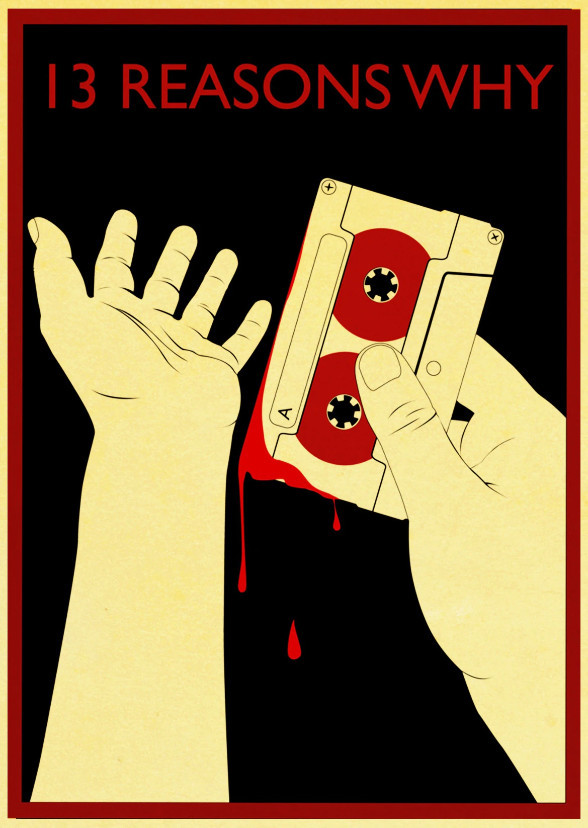
A haunting mystery unfolds when a high school student discovers a series of cassette tapes left behind by a classmate who took her own life. Each tape reveals a different person who played a role in her devastating decision, forcing a tight-knit group of teenagers to confront their cruelty, betrayal, and complicity. Set against the gritty backdrop of 1970s America—with its vinyl records, rotary phones, and analog isolation—the narrative becomes a tense psychological thriller. As the tapes circulate, paranoia and guilt consume the town. The story examines how small acts of unkindness compound into tragedy, while exploring themes of accountability, redemption, and the fragility of adolescent life. Dark, introspective, and deeply human, this version captures the era's raw emotional honesty and moral reckoning.




