
Age: 39
male
Michael Bakari Jordan (/bɑːˈkɑːri/ bah-KAR-ee; born February 9, 1987) is an American actor, producer, and director. His accolades include an Academy Award, three Actor Awards, and a Producers Guild Award, in addition to nominations for a British Academy Film Award, a Golden Globe Award and two Emmy Awards. Jordan was named one of the 100 most influential people in the world by Time in 2020 and 2023, People's Sexiest Man Alive in 2020, and The New York Times ranked him 15th on its list of the 25 greatest actors of the 21st century. Jordan initially broke out in television, playing Wallace in the first season of the HBO crime drama series The Wire (2002). He starred in the ABC soap opera All My Children (2003–2006) and the NBC sports drama series Friday Night Lights (2009–2011). He later starred in and produced the HBO television film Fahrenheit 451 (2018), for which he was nominated for the Primetime Emmy Award for Outstanding Television Movie. Jordan's film breakthrough came as Oscar Grant in Ryan Coogler's biopic Fruitvale Station (2013), for which his performance received critical praise. He earned further acclaim for his performances in Coogler's subsequent films, including Creed (2015), Black Panther (2018), and Sinners (2025); the latter earned him the Academy Award for Best Actor. Jordan reprised his role of Donnie Creed in Creed II (2018) and Creed III (2023), the latter of which also marked his directorial debut. His other films include Chronicle (2012), That Awkward Moment (2014), Fantastic Four (2015), and Just Mercy (2019). Aside from filmmaking, Jordan is also a co-owner of Premier League club AFC Bournemouth. Description above from the Wikipedia article Michael B. Jordan, licensed under CC-BY-SA, full list of contributors on Wikipedia.
Michael B. Jordan

Marcus Cole
for Marcus Cole in 13 Reasons Why (2002-2005)
Suggested by chris83
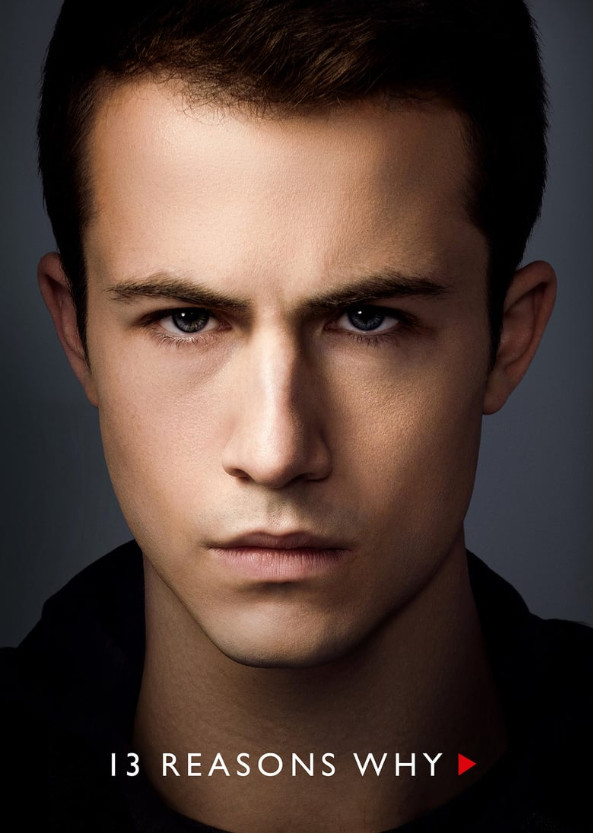
A high school student discovers a box of cassette tapes recorded by his classmate Hannah, who recently took her own life. Each tape reveals a different person who played a role in her decision, forcing Clay to confront the devastating ripple effects of betrayal, bullying, and indifference. As he listens, Clay grapples with guilt, anger, and the uncomfortable truth that seemingly small cruelties accumulate into tragedy. The narrative unfolds through Hannah's haunting voice, naming names and recounting pivotal moments of humiliation and heartbreak. Set in the early 2000s, the story captures the raw vulnerability of adolescence before social media amplified isolation. Clay must decide whether to expose those responsible or let the tapes disappear, while wrestling with the unbearable question: could he have saved her?




