Age: 63
female
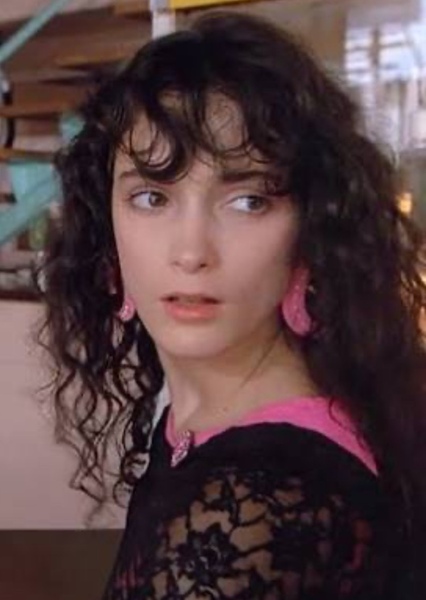
Jill Marie Schoelen (born March 21, 1963) is an American actress. A more unconventional husky-voiced "scream queen" heroine of the 1980s was Jill Schoelen, daughter of well-known fashion designer Dorothy Schoelen. Born and raised in Burbank, she studied at the Acting for Life Theatre in Burbank and started off on TV as a teen in the Fame-influenced TV pilot called Best of Times (1981) (TV) starring the up-and-coming Nicolas Cage and Crispin Glover. She gained in experience with a number of innocuous films geared mostly toward the young, including D.C. Cab (1983), Thunder Alley (1985) and Hot Moves (1984). The dark-eyed, black-haired pretty with the trademark bangs wouldn't find her horror niche until hooking up with Wes Craven and his TV movie Chiller (1985) (TV). From there she scored big with the cult shocker The Stepfather (1987) wherein she played the resourceful stepdaughter terrorized by the lecherous, meek-appearing Terry O'Quinn as the title monster. The sleeper hit put Jill on the map with a seemingly solid future, continuing on with The Phantom of the Opera (1989), this time keeping company opposite Freddy Krueger inhabiter Robert Englund as her deranged pursuer. But a few bumps in the road with such lowgrade fodder as Curse II: The Bite (1989), Cutting Class (1989) and Popcorn (1991) put a permanent damper on her career, despite coming back with a bit of grit in the thriller TV movie When a Stranger Calls Back (1993) (TV). Her object-of-a-stalker days behind her after filming Not Again! (1996), she settled comfortably back and raised two children with husband/musician/composer Anthony Marinelli.

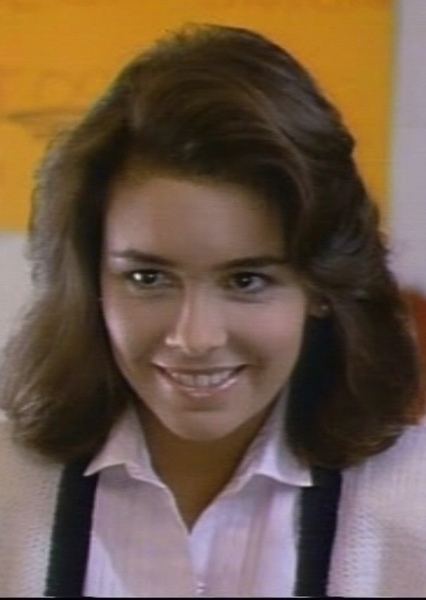
A high school student discovers a box of cassette tapes recorded by his classmate Hannah, who recently took her own life. Each tape reveals a different person who played a role in her devastating decision. As he listens through the night, he becomes obsessed with uncovering the truth—navigating a maze of betrayal, bullying, and dark secrets hidden behind the polished facades of his small town. Set against neon-soaked hallways and the analog intimacy of cassette culture, the story unfolds through his eyes as he confronts former friends, crushes, and enemies. The mystery deepens with each tape, forcing him to question everything he thought he knew about his community. Themes of accountability, teenage isolation, and the irreversible consequences of cruelty pulse through this gripping drama, where one person's voice—even after death—demands to be heard and cannot be silenced.