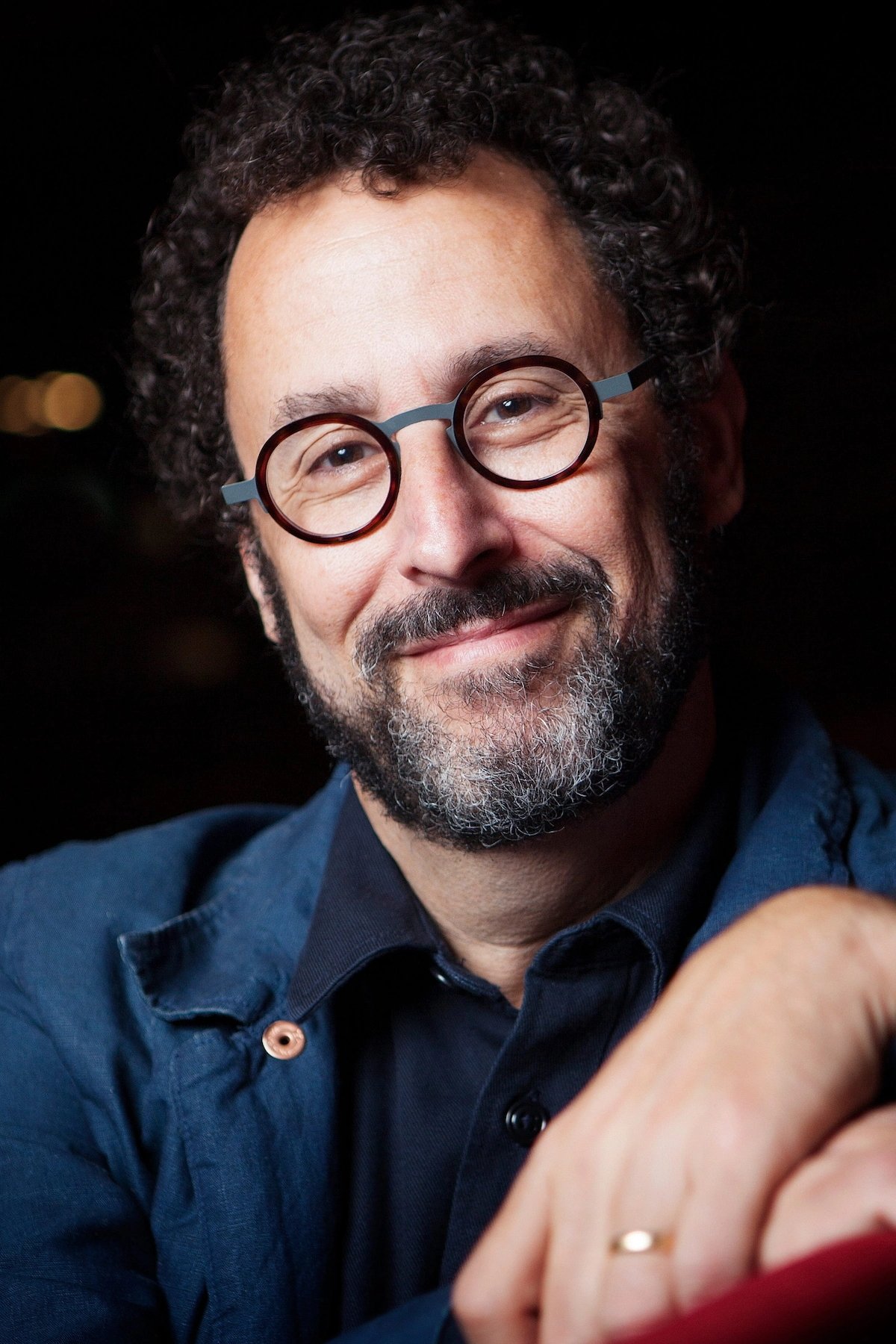
Age: 70
male
Anthony Robert Kushner (born July 16, 1956) is an American author, playwright, and screenwriter. Lauded for his work on stage he's most known for his seminal work Angels in America which earned a Pulitzer Prize and a Tony Award. At the turn of the 21st Century he became known for his numerous film collaborations with Steven Spielberg. He received the National Medal of Arts from President Barack Obama in 2013. Kushner made his Broadway debut in 1993 with both Angels in America: Millennium Approaches and Angels in America: Perestroika. He received the Pulitzer Prize for Drama and the Tony Award for Best Play. He then adapted it into a 2003 miniseries directed by Mike Nichols for which Kushner received a Primetime Emmy Award for Outstanding Writing for a Limited Series or Movie. In 2003 he wrote the lyrics and book to the musical Caroline, or Change which earned Kushner Tony Award nominations for Best Book of a Musical and Best Original Score. The 2021 Broadway revival of Caroline, or Change earned Kushner a nomination for the 2023 Grammy Award for Best Musical Theater Album, making Kushner among the few playwrights in history nominated for all four major American entertainment awards: the Emmy, Grammy, Oscar, and Tony Awards. He has collaborated with director Steven Spielberg on the films Munich (2005), Lincoln (2012), West Side Story (2021), and The Fabelmans (2022), the former two earning him nominations for the Academy Award for Best Adapted Screenplay. Description above from the Wikipedia article Tony Kushner, licensed under CC-BY-SA, full list of contributors on Wikipedia.

It's pre-revolutionary Russia in the largely Jewish community of Anatevka, Ukraine, whose residents are ruled by community and cultural traditions. For poor dairy farmer, Tevye, and his wife, Golde, those traditions include getting the town matchmaker, Yente, to find their five daughters - the three oldest, Tzeitel, Hodel and Chava, who are barely of marrying age - suitable wealthy husbands, especially important since the girls will have no dowries. Tzeitel, not yet twenty, doesn't like that Yente only chooses old men. She is also in love with the poor tailor, Motel. Motel doesn't believe Tevye would approve of a union between himself and Tzeitel because of Motel's poor socioeconomic state, and without someone arranging the union. Hodel understands these traditions better than her elder sister, Hodel who has her sights on the rabbi's son, because of what he is, not because of who he is. Chava accepts her fate, marriage still being years away, but she hopes for someone she will love while she now focuses on her love of books. Change from those traditions is in the air, which is confirmed by Perchik, a young man, a student espousing Marxist ideals, recently arrived from Kyiv. This change may affect what happens matrimonially with Tzeitel, Hodel and Chava. But this change comes anti-Jewish sentiment sweeping across Europe, which may affect what happens to Tevye, his family, and the Jewish community in Anatevka as a whole.


