
DNEG (also known as Double Negative and stylized as D N E G) is a British visual effects, computer animation, and stereo conversion studio that was founded in 1998 in London, and rebranded as DNEG in 2014 after a merger with Indian VFX company Prime Focus, it was named after the letters "D" and "Neg" from their former name. The company has received seven Academy Awards for its work on the films Inception, Interstellar, Ex Machina, Blade Runner 2049, First Man, Tenet, and Dune. In addition, DNEG has received BAFTA awards for Inception, Harry Potter and the Deathly Hallows – Part 2, Interstellar, Blade Runner 2049, Tenet, Dune, and Black Mirror's "Metalhead", and Visual Effects Society awards for its work on films such as The Dark Knight Rises, Sherlock Holmes, Inception, Interstellar, Dunkirk, Blade Runner 2049, Altered Carbon, First Man, Chernobyl, Last Night In Soho, Foundation and Dune.[4] It has also received Primetime Emmy Awards for its work on Dreamkeeper, Chernobyl, and season 3 of Star Trek: Discovery. DNEG is headquartered in Fitzrovia, London with additional locations in Vancouver, Mumbai, Los Angeles, Chennai, Montréal, Mohali, Bangalore, Toronto, and Sydney (opening in 2023).
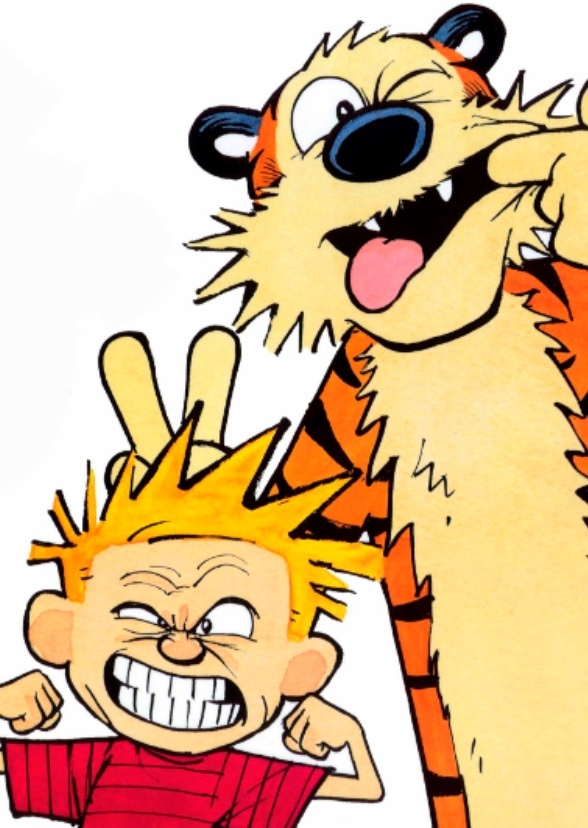
Calvin and Hobbes follows the humorous antics of the title characters: Calvin, a mischievous and adventurous six-year-old boy; and his friend Hobbes, a stuffed tiger. Set in the suburban United States of the 1980s and 1990s, the strip depicts Calvin's frequent flights of fancy and friendship with Hobbes. It also examines Calvin's relationships with his long-suffering parents and with his classmates, especially his neighbor Susie Derkins. Hobbes's dual nature is a defining motif for the strip: to Calvin, Hobbes is a living anthropomorphic tiger, while all the other characters seem to see Hobbes as an inanimate stuffed toy, though Watterson has not clarified exactly how Hobbes is perceived by others, or whether he is real or an imaginary friend. Though the series does not frequently mention specific political figures or ongoing events, it does explore broad issues like environmentalism, public education, and philosophical quandaries. At the height of its popularity, Calvin and Hobbes was featured in over 2,400 newspapers worldwide. As of 2010, reruns of the strip appeared in more than 50 countries, and nearly 45 million copies of the Calvin and Hobbes books had been sold worldwide.




